|
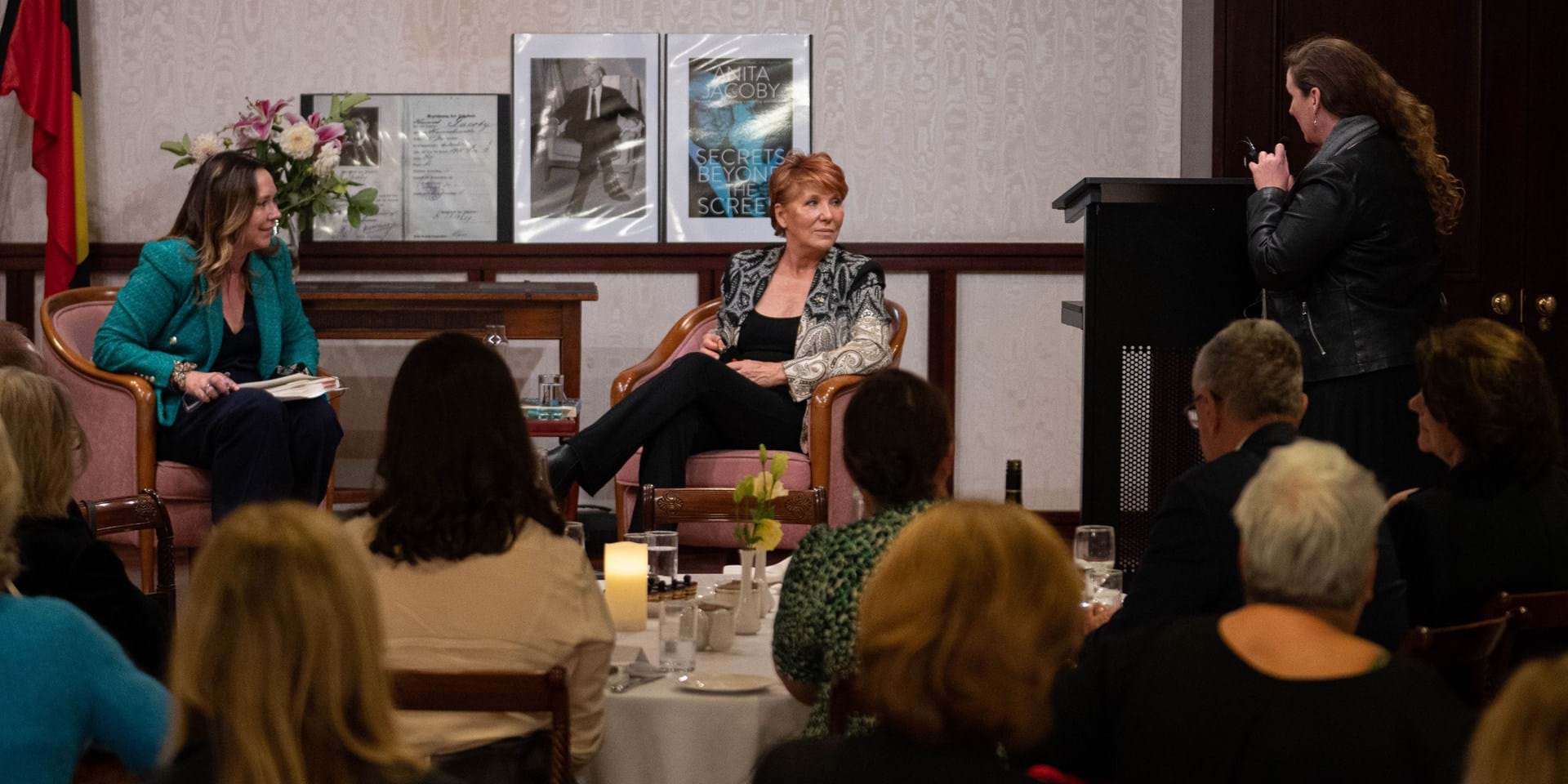
Step back into Sydney's vibrant musical past and discover the pioneering women who transformed chamber music in Australia. Join Dr Jeanell Carrigan AM as she uncovers the fascinating story of The Salon Trio—Sydney's first all-woman piano trio—whose groundbreaking performances challenged convention and helped establish a new era of chamber music in the early twentieth century. Through captivating stories, historical insights and musical examples, this presentation celebrates the remarkable women who defied expectations, championed Australian composers, and left an enduring legacy on the nation's cultural life. Book now to experience this inspiring journey through Australia's musical history.
The day after their inaugural matinee concert held at the St. James Hall in Sydney, members of the Salon Trio were greeted with the following review:
The concert was opened with a trio by Edward Schutt in which the most effective work was shown in the final scherzo, the tempo of which was well sustained while there was an agreeable balance.… The performance of a movement of the Mendelssohn Piano Trio op. 49 was the most popular combined item and the young players earned well-deserved applause.
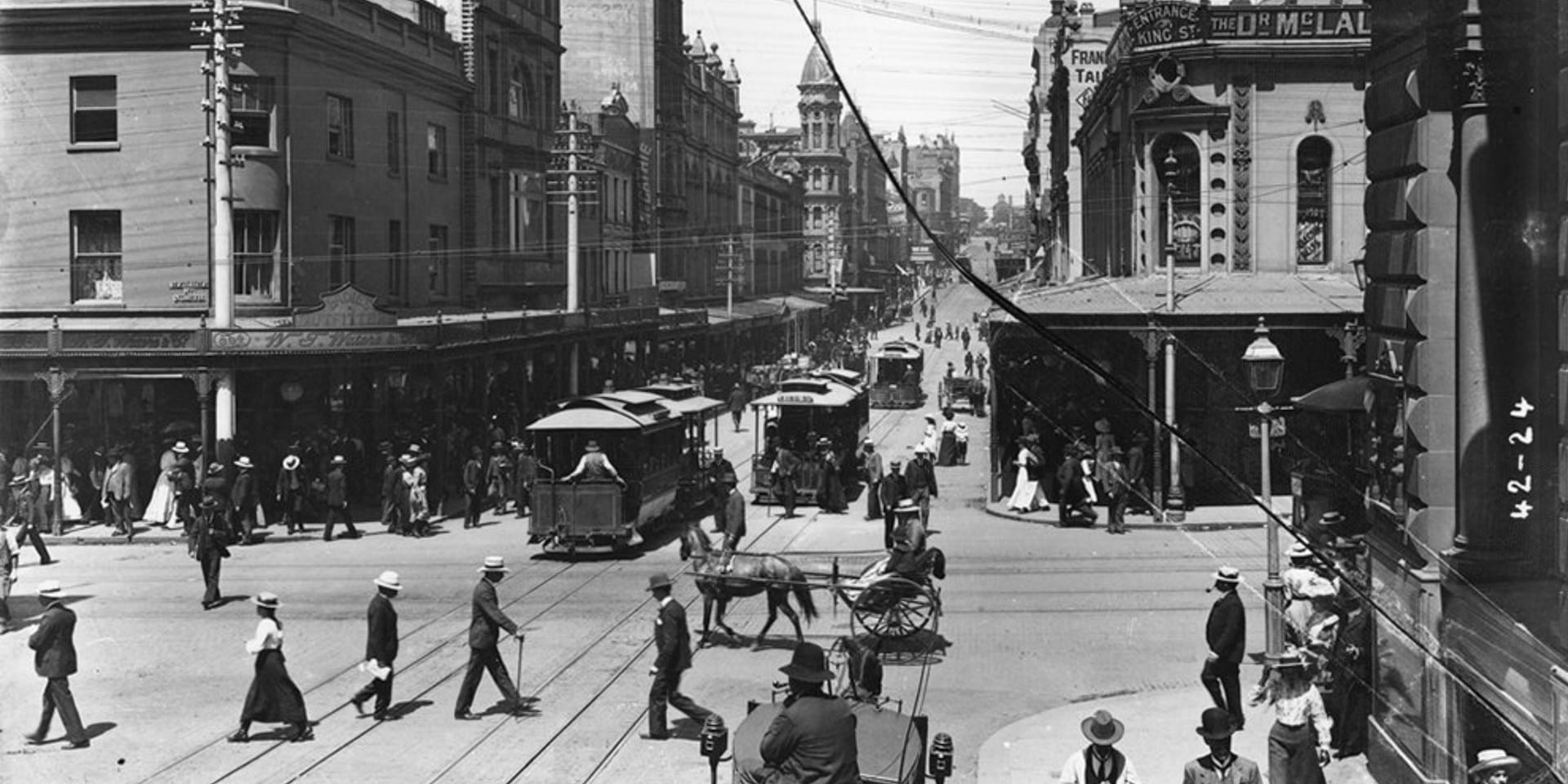
This was a significant occasion because it marked the debut of a new chamber music ensemble consisting of piano, violin, and cello in Sydney, playing compositions of a genre not yet extensively explored in Australia. When Mirrie Solomon (piano), Dorothy Curtis (violin) and Florence Brown (cello) took to the stage in Sydney on 23 October 1911, Sydney did not have a strong chamber music tradition and there are no reviews or notifications of any other piano trio to be found at that time.
The occasion was also highly significant because women were not encouraged to perform music in public and this new trio was an all-woman group. The Salon Trio maintained a busy performance schedule with a regular popular subscription series from 1911-1915.
This presentation will trace the history and success of the trio and its players. It will discuss how women contributed to the musical life in Sydney at that time – mostly as concert patrons and suppliers of afternoon tea - but also as serious musicians who wrote the compositions that the trio performed.
|